
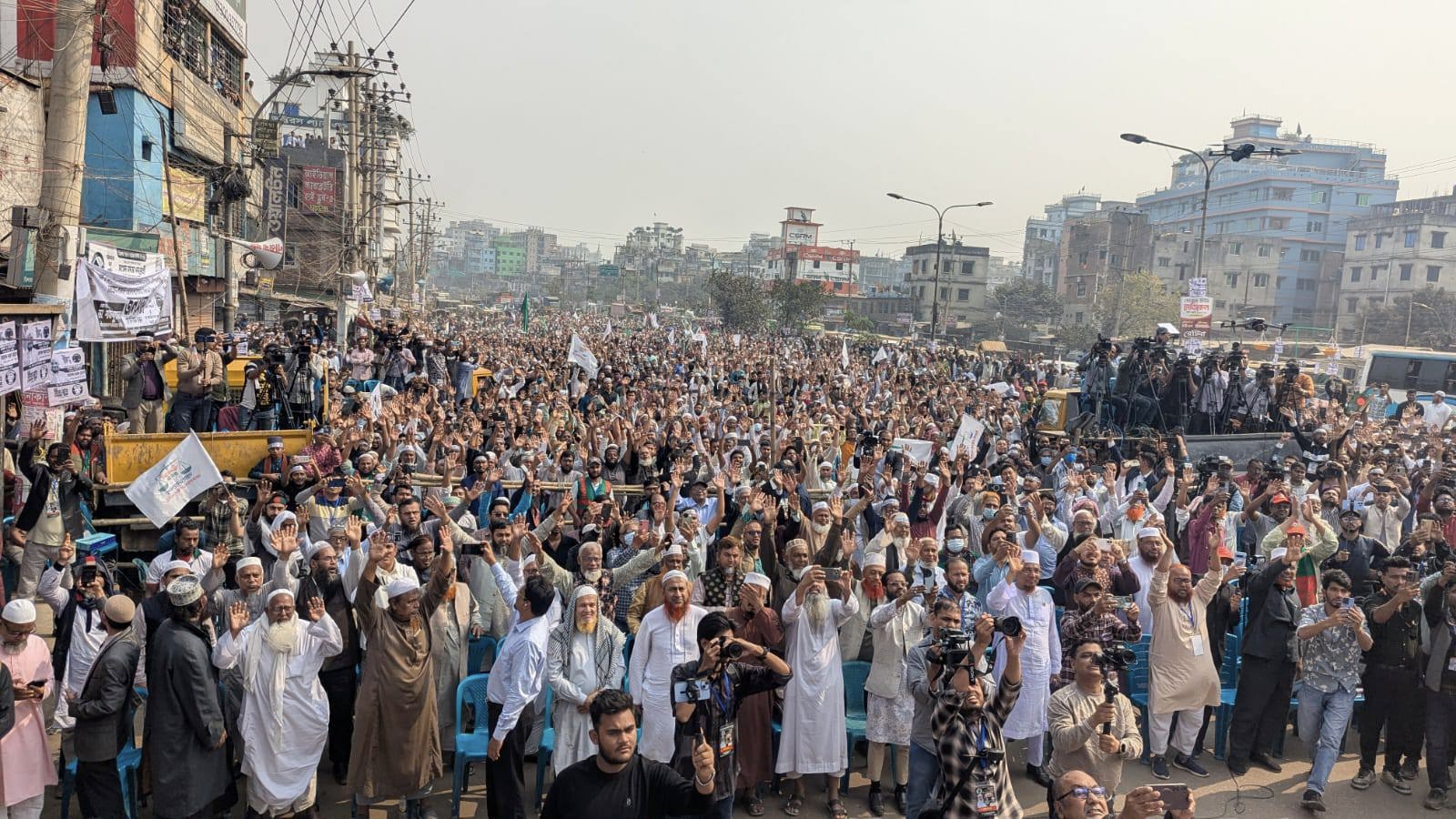
The absence of Sheikh Hasina and her Awami League, banned from participating in the elections, presented a rightward shift in the country’s polity benefiting the BNP, which was out of power for almost two decades.
BNP’s super-majority in Thursday’s elections is less a democratic verdict than the intended outcome of a two-year political engineering process.
Apart from the election for the National Assembly, around the Bangladeshi electorate will also vote in a referendum on proposed changes to the country’s constitution and political system
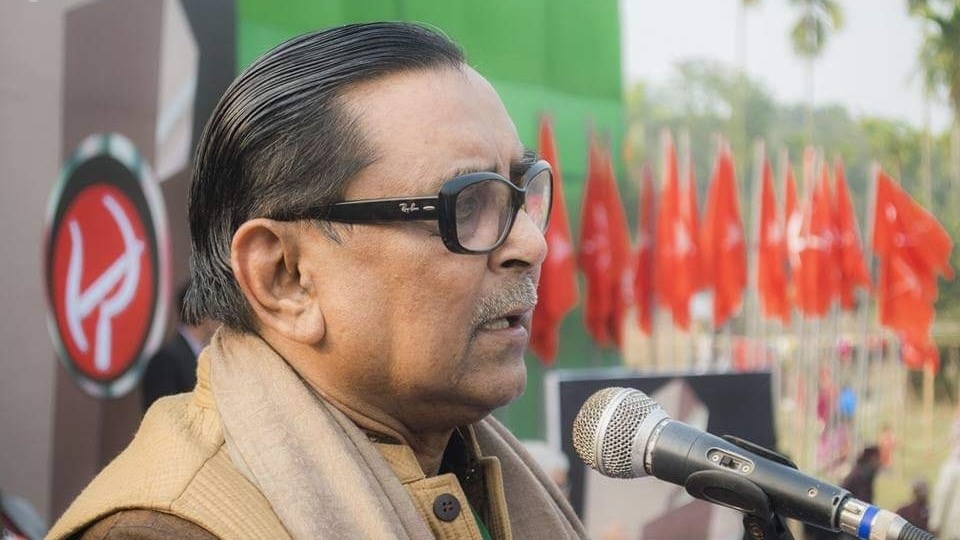
The party’s president, Rashed Khan Menon, has been imprisoned for over a year and party offices, including its central office, have been occupied by pro-government mobs for months now.
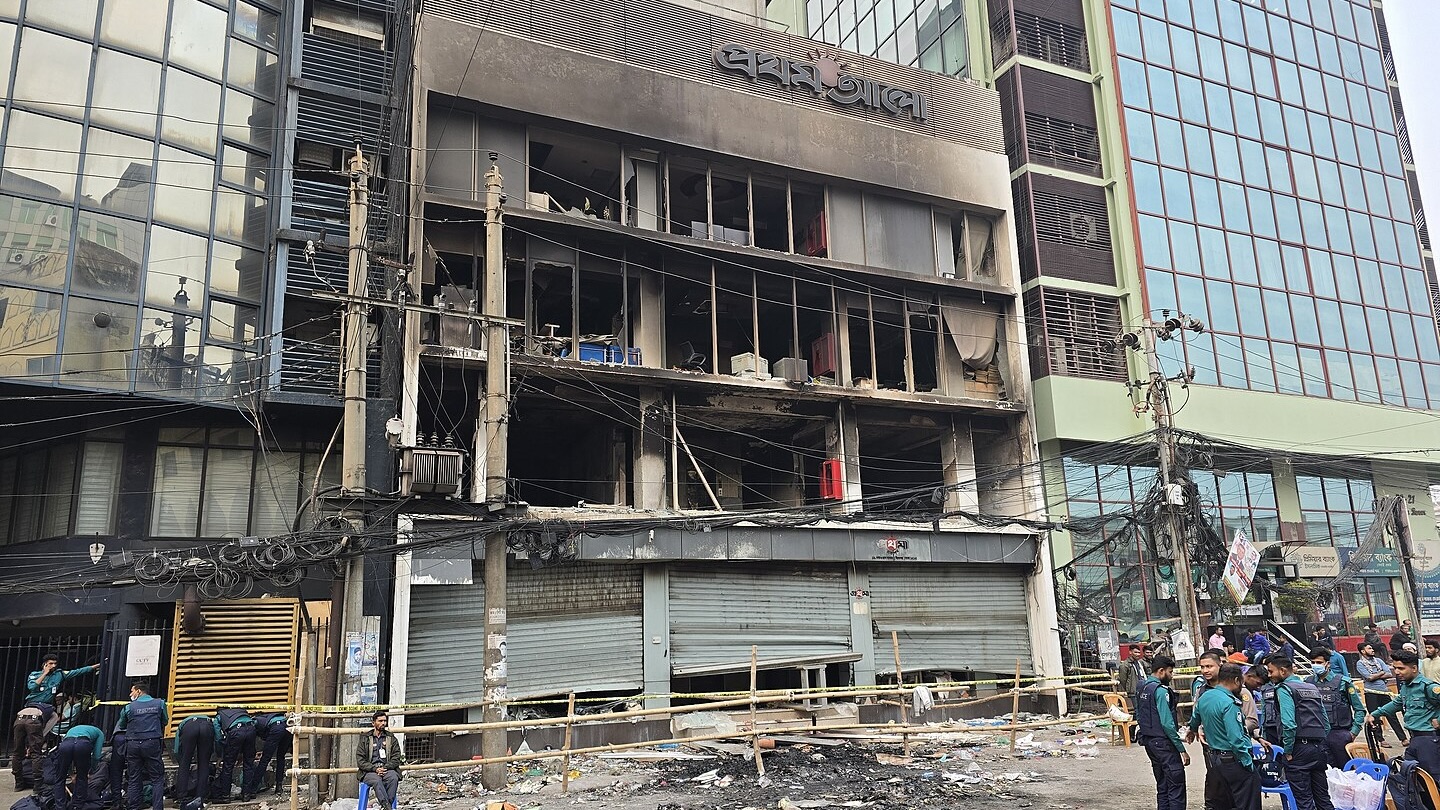
The party claims religious extremist mobs have been allowed to target their offices, leading newspapers, secular cultural organizations and persons from minority community with impunity
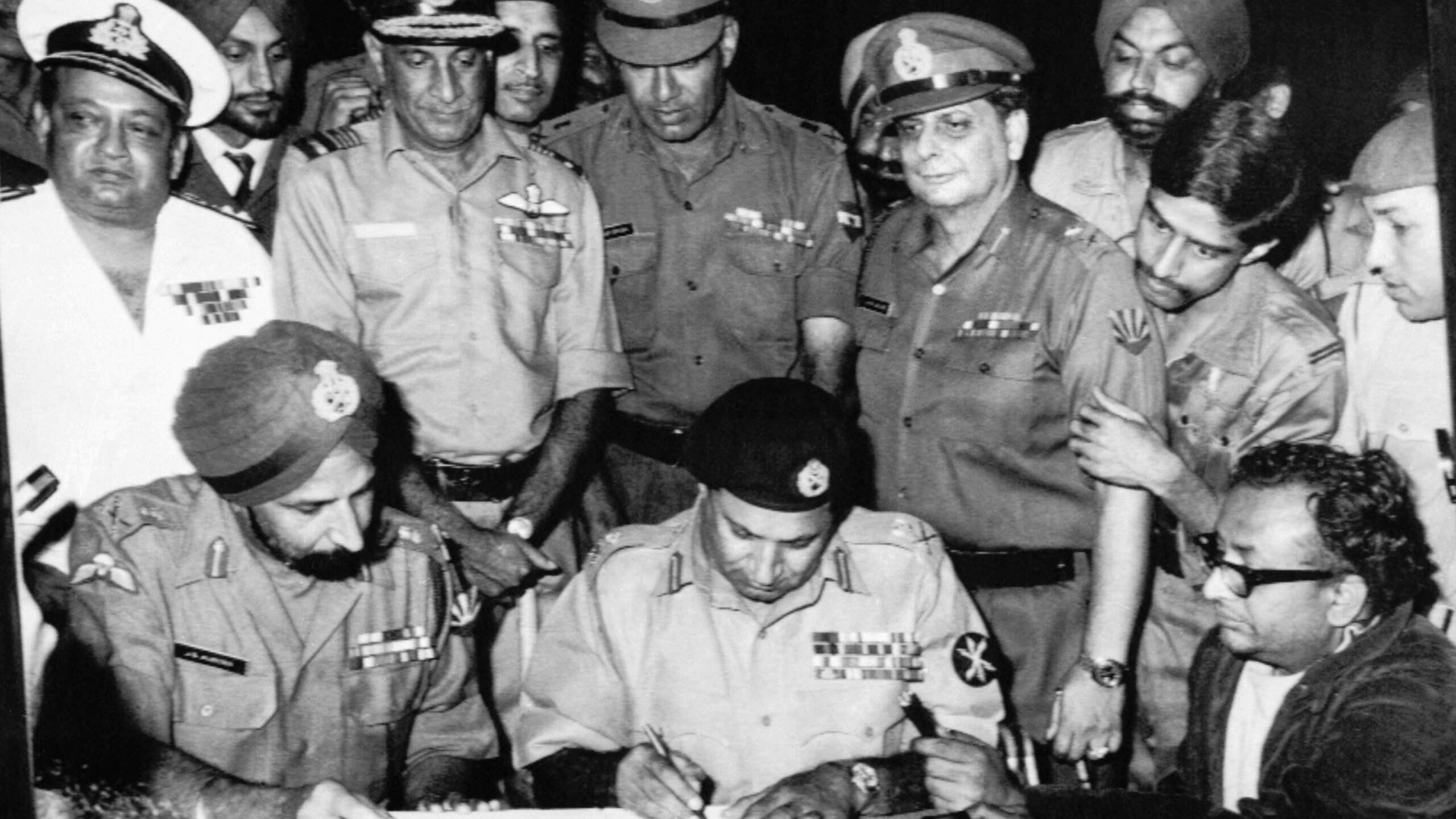
As Bangladesh marks the victory of its 1971 liberation, the secular, socialist foundations of the nation’s birth are under assault by the convergence of US geopolitical interests with religious fundamentalism.
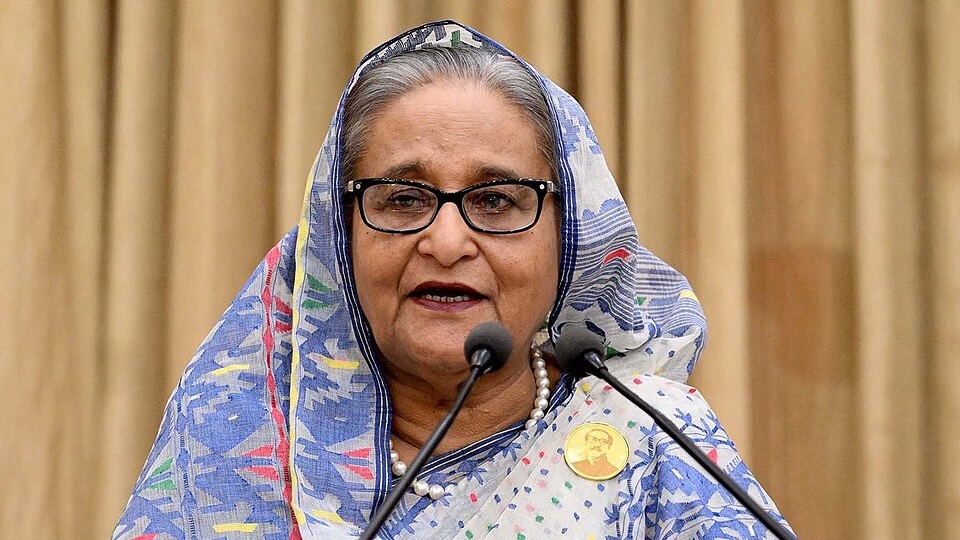
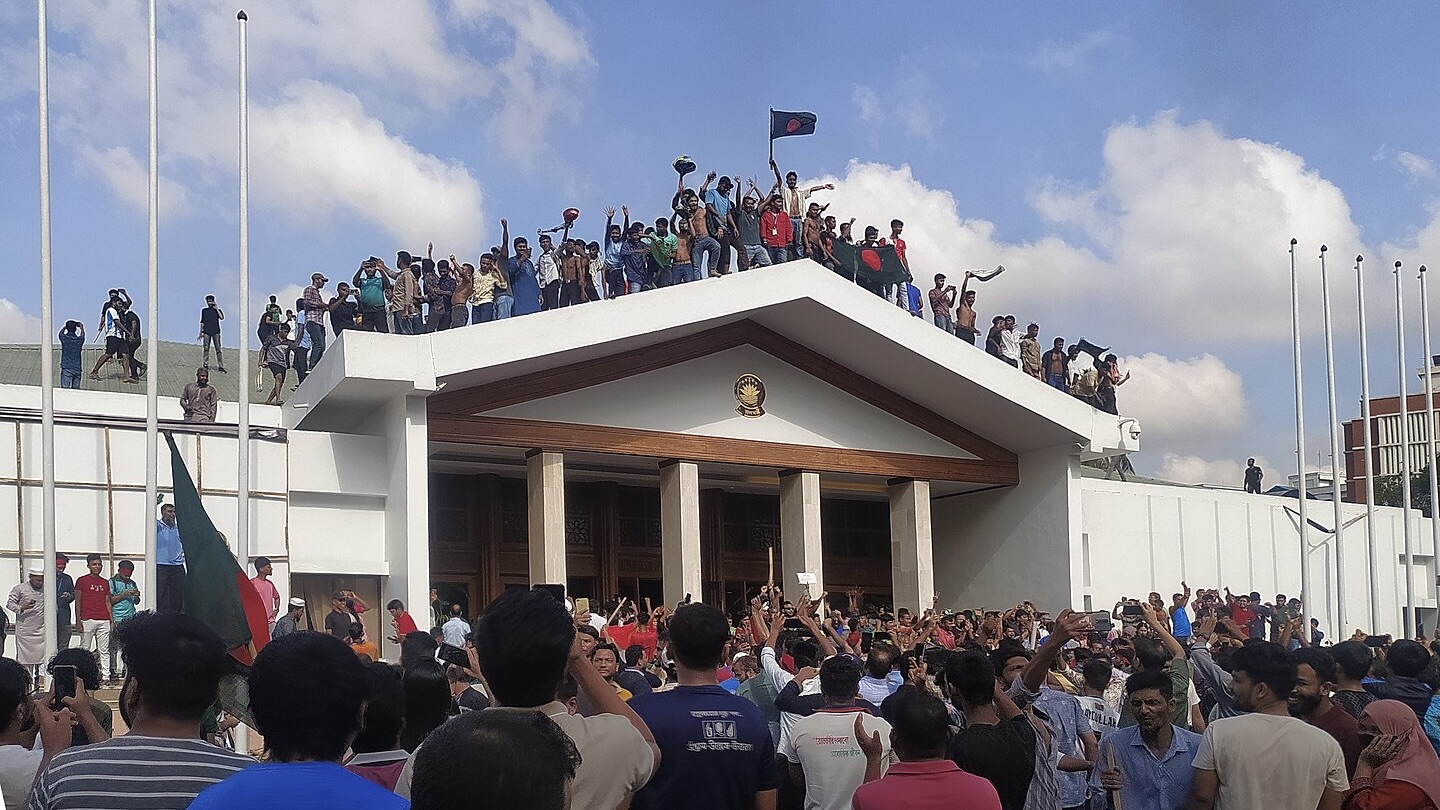
Hasina had resigned and left the country following months-long violent protests against her government’s policies in which hundreds of people, mostly students, were killed in July-August 2024.
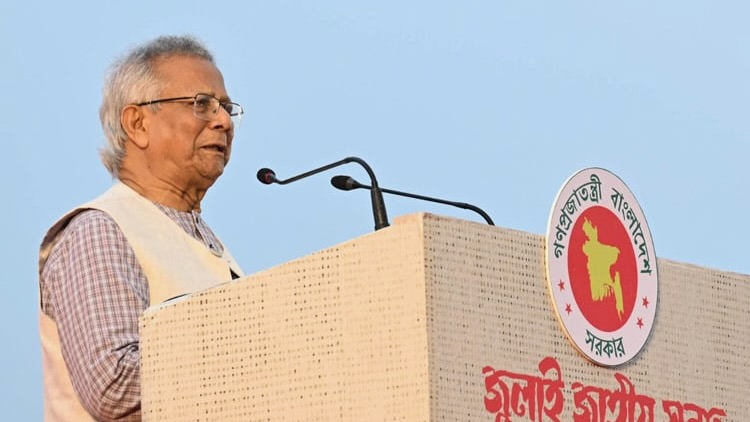
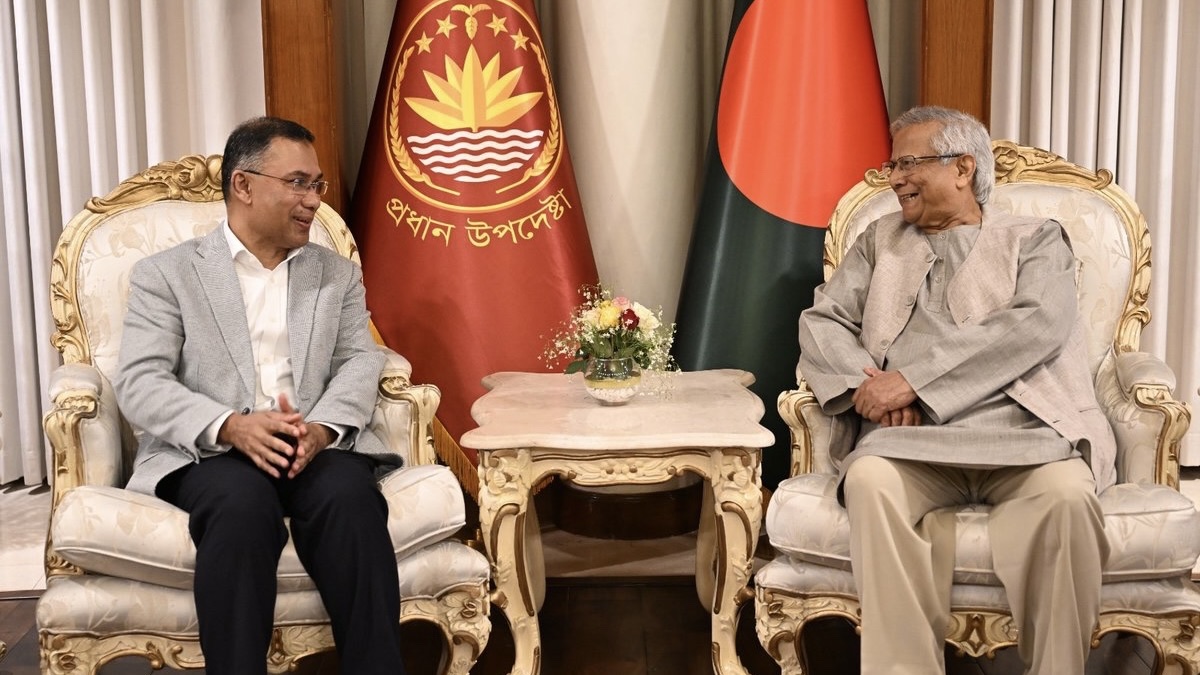
The Muhammad Yunus-led interim government has failed to win the support of the majority of political parties in the country for its ambitious political “reforms”.
Menon, 81, president of Workers’ Party of Bangladesh (WPB), has been charged with the murder of over 58 anti-quota protestors last year, despite not occupying any administrative position at the time.
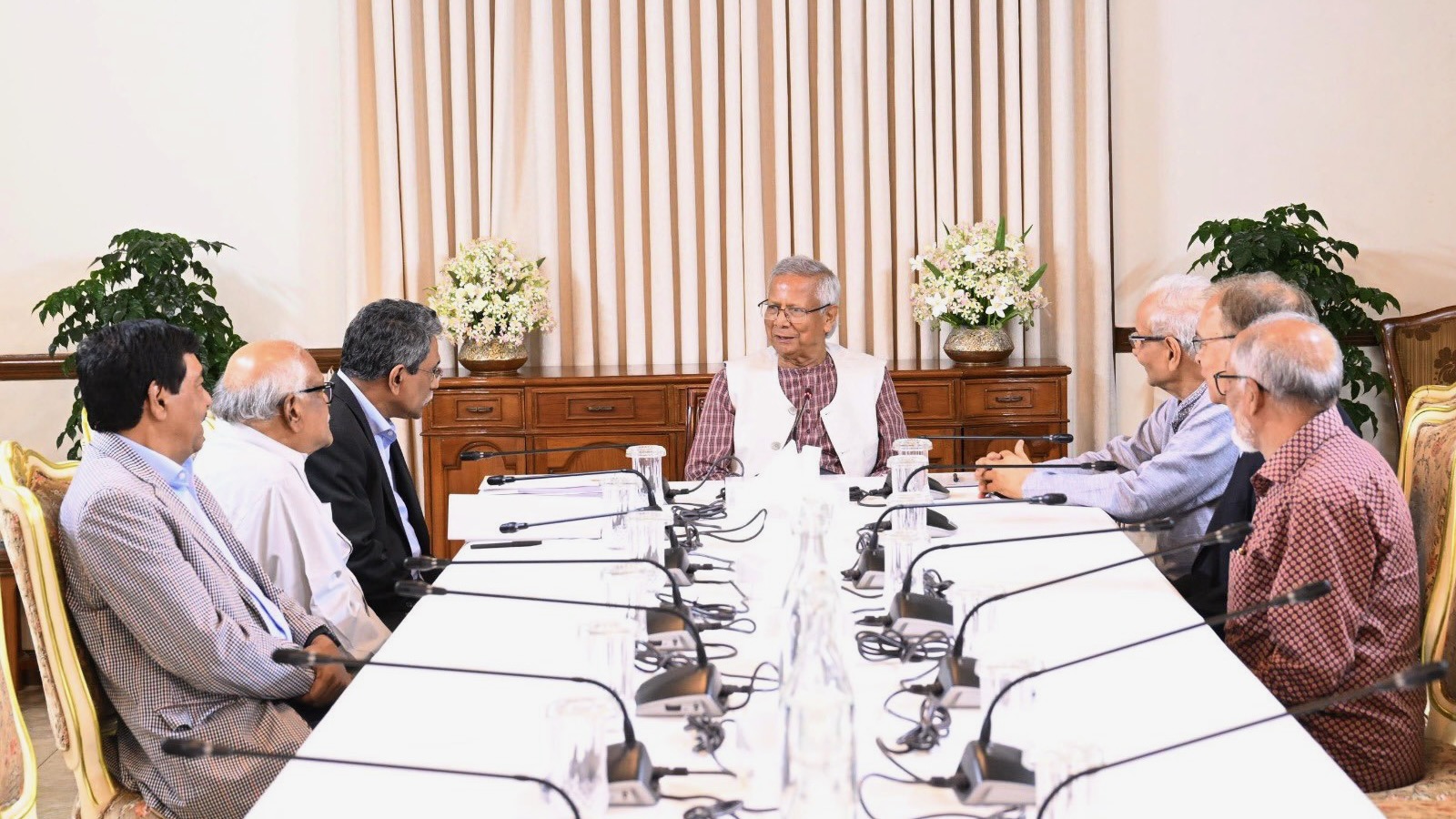
After a public spat with the army chief last week over the country’s political situation and the delay in elections, Yunus threatened to resign from his post as the chief advisor of the interim government.
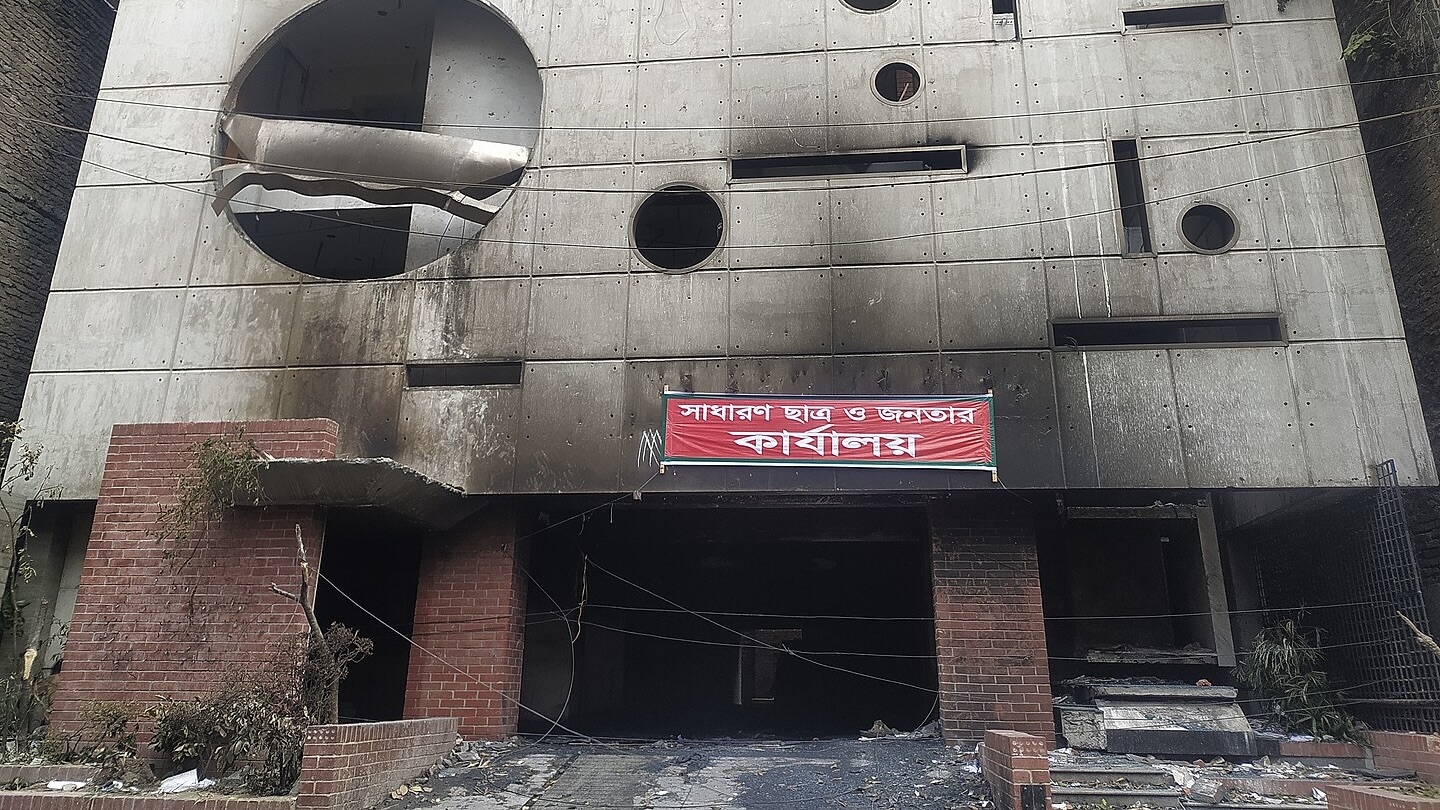
The ban comes after months of systematic persecution of the former ruling party’s leaders and activists, violence against its cadres and allies, and attacks on party offices.
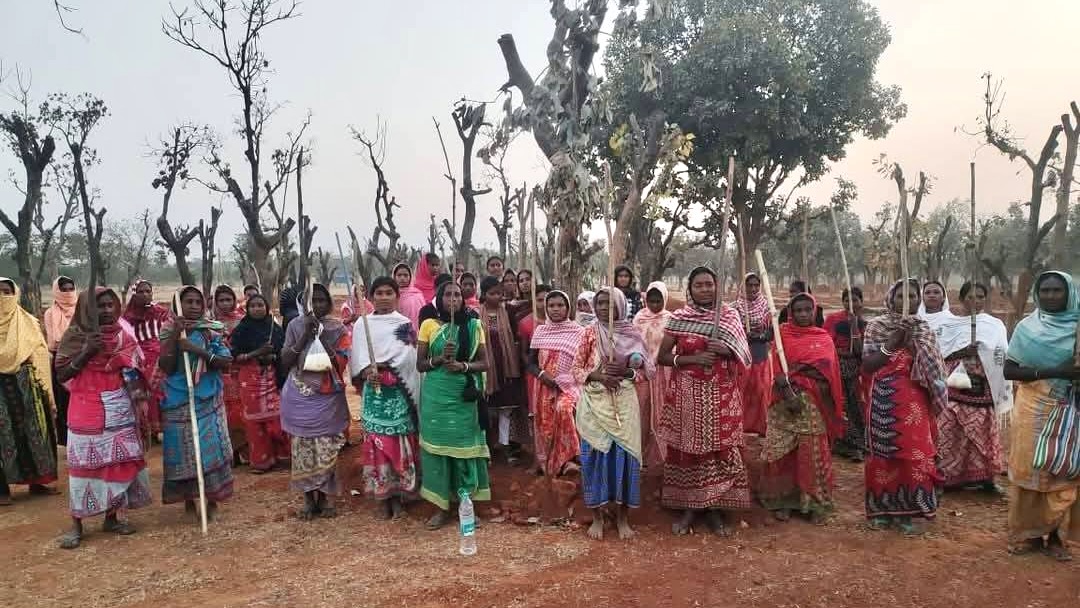
Women’s movements in the region have firmly united with other progressive and left movements in the struggle for a better world.
- Brazil approves end to 6×1 work schedule and reduction of the work week to 40 hours
- Israel kills 31 people in Lebanon on the eve of Eid al-Adha
- Israel carries out sixth consecutive Eid massacre in Gaza
- Far-right Janez Janša to return for fourth government term in Slovenia
- With peace deal nearly final, US launches fresh attacks on Iran